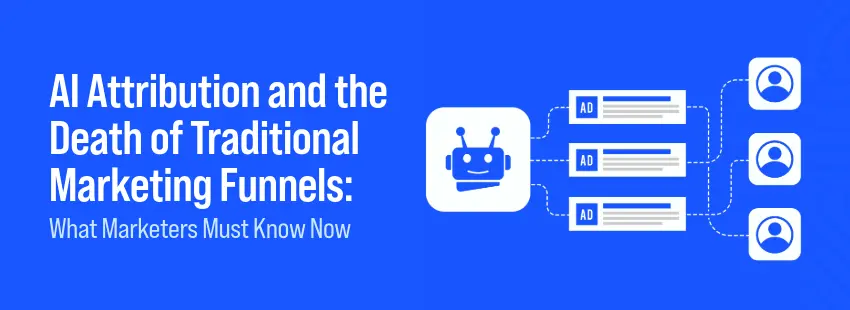
AI Attribution and the Death of Traditional Marketing Funnels: What Marketers Must Know Now
AI Attribution Shifts Marketing Funnels
AI attribution shifts marketing funnels as artificial intelligence alters the way decisions are made. The old journey of awareness, interest, and decision no longer works. Tools like ChatGPT and Google SGE now influence buyer behavior in new ways.
Today’s buyers may make choices before ever landing on your site. Marketers must now build strategies that reflect how real research begins—with AI, not ads.
AI Attribution Shifts Marketing Funnels in Buyer Behavior
Buyers are no longer guided only by websites and ads. Instead, AI tools help them ask questions, explore answers, and build confidence. This shift happens before marketers ever know who they are.
Since AI attribution is at the forefront, traditional data is often missing. Old attribution tools fail to show the true influence of AI-generated answers. Even private communities, such as Slack or Discord, are playing a part in decision-making.
According to Gartner, 71% of B2B buyers research anonymously using nontraditional tools (source). That means marketers must rethink how they approach content visibility and conversion.
Track Intent Even When It’s Invisible
Understanding intent in today’s environment is harder than ever. AI attribution shifts marketing funnels by hiding early interest. Search engines are no longer the first or only stop.
However, you can still track key intent signals:
- Spikes in branded search volume
- Questions posted in public forums
- Featured snippets shown by AI tools
These hints show buyer interest, even when tracking tools cannot.
Optimize Your Content for AI Search
Content must now serve both human and AI readers. AI attribution shifts marketing funnels by rewarding content that is structured for bots. Focus on short, clear answers and helpful summaries.
Use headings, bulleted lists, and schema markup where possible. Provide direct answers to common industry questions. Structure blog content so AI can easily extract key takeaways.
Why Your Funnel Model Needs a Refresh
AI attribution shifts marketing funnels beyond traditional shapes. Buyers no longer follow a straight line. Instead, they bounce between content, conversations, and AI tools.
Consider replacing the funnel with a journey model or flywheel. Measure actions like:
- How often are questions answered
- How fast users move to a decision
- How often does your brand show up in AI results
Align Branding and Demand for Better Results
AI attribution shifts marketing funnels by blending brand and demand touchpoints. A buyer may see your name in a chatbot answer before visiting your site. That brand exposure leads directly to action.
Build brand assets that rank well in AI. Align your SEO and messaging across every campaign. Make sure your company sounds consistent, whether in a blog, AI summary, or LinkedIn comment.
When your brand appears more often, buyers remember you, whether or not you can track the moment.
Find Workarounds to Fill the Gaps
Even if AI hides parts of the buyer journey, you can still find clues. AI attribution shifts data, but it doesn’t make success invisible.
Use tools like SparkToro to understand where your audience spends time. Monitor spikes in direct traffic or untagged referrals. Review heatmaps and session recordings to analyze user behavior.
Also, check if your brand appears in AI tools or LLM summaries. These new placements show awareness, even if they don’t produce immediate clicks.
Don’t let outdated thinking hurt your growth. AI attribution shifts marketing funnels in ways you can’t ignore. Book a consultation to review your content, AI visibility, and demand strategy. Let’s update your model to match how people really buy today.
About the Author: Equilibrium Consulting

Share This Story, Choose Your Platform!
Related Posts