
Snow in Myrtle Beach: Marketing Preparedness Lessons
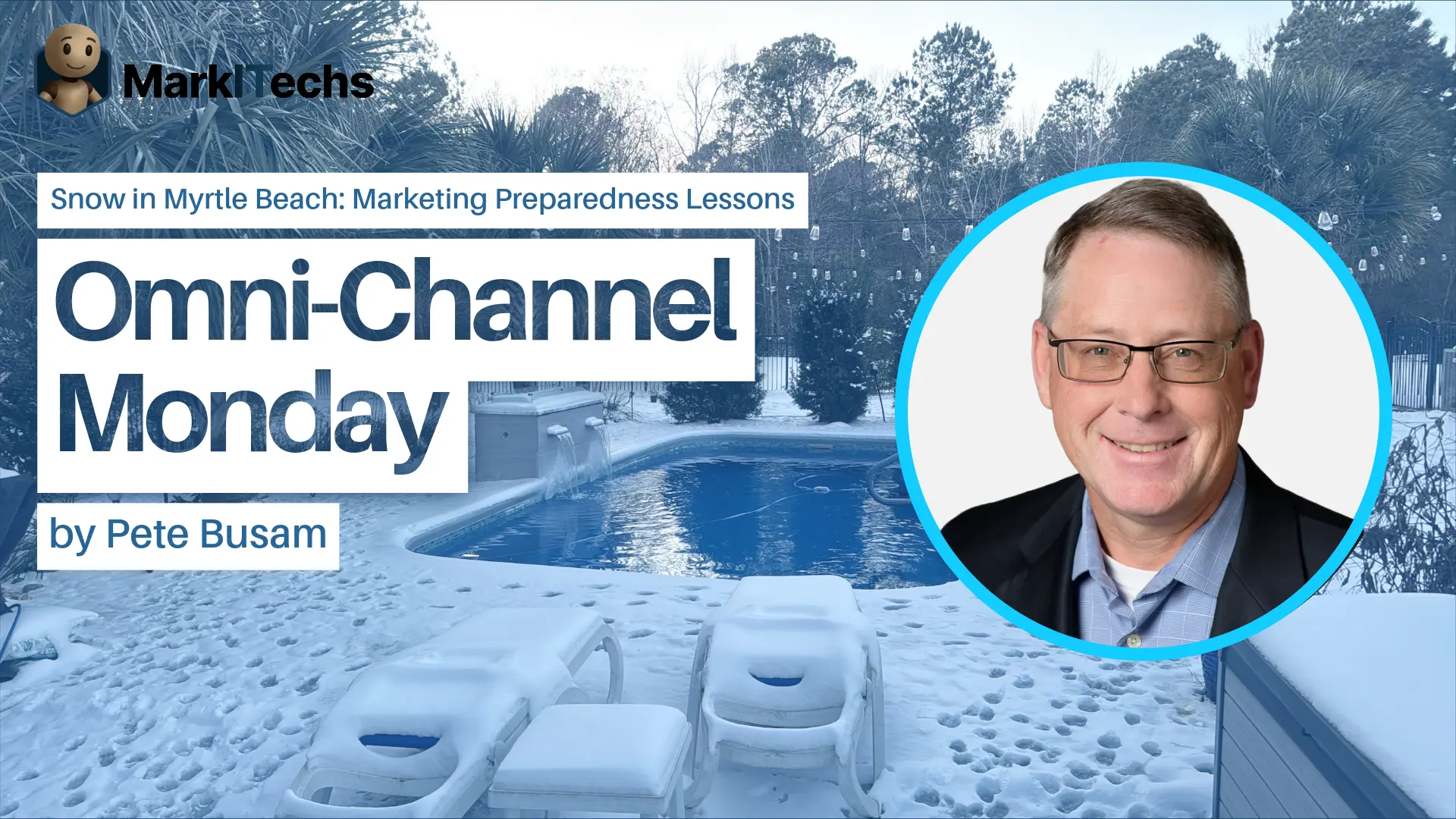
Marketing preparedness lessons sometimes arrive from the most unexpected places. Myrtle Beach recently received five inches of snow. That is not normal. While the event disrupted daily life, it also provided a clear lesson in preparation, logistics, and adaptive planning that applies directly to marketing and leadership.
Myrtle Beach is designed for tourism, heat, and coastal storms. It is not designed for snow. Roads, equipment, staffing, and response plans reflect historical reality. When snow arrived, it challenged systems built for different conditions.
Marketing often operates the same way.
Planning for Normal Conditions Is Reasonable, Planning Only for Normal Conditions Is Risky
Planning for normal conditions is logical. South Carolina does not routinely experience snow events of this scale. Expecting infrastructure to be built for rare extremes would be impractical.
However, planning only for normal conditions introduces fragility.
In marketing, many organizations build strategies assuming:
- Stable demand
- Predictable growth cycles
- Consistent budgets
- Familiar buyer behavior
Those assumptions hold until they don’t.
Market shifts, leadership changes, economic pressure, and competitive disruption are not theoretical. They are inevitable. Marketing preparedness lessons start with acknowledging that variability is part of doing business.
Prepared Does Not Mean Overbuilt
In fairness to SCDOT, the response to this storm deserves context. The agency was as prepared as reasonably possible given available equipment, staffing, and historical need. South Carolina does not maintain fleets of snowplows because large snow events are rare.
When the storm exceeded normal operating conditions:
- Government offices are temporarily shut down
- Schools shifted to virtual sessions
- Public safety took priority over speed
That is not failure. That is risk-based planning.
This distinction matters for marketing.
Preparedness does not mean building for every extreme scenario. It means understanding likely risks, setting realistic limits, and having adaptive options when conditions exceed expectations.
Marketing preparedness lessons are about intentional capability, not excess.
Reaction Costs More Than Preparation
Snow response quickly becomes logistical. Equipment availability, staffing, routes, and timing determine outcomes. Once the storm arrives, reaction replaces planning.
Marketing experiences the same pattern:
- Emergency campaigns
- Rushed messaging
- Unplanned ad spend
- Tool purchases without a strategy
- Agency changes under pressure
Reactive marketing always costs more. It consumes budget, erodes trust, and produces inconsistent results. Prepared marketing organizations respond calmly because the foundation already exists.
Preparation reduces friction. Reaction multiplies it.
Omni-Channel Marketing Is Infrastructure, Not Tactics
Snow response depends on infrastructure. Roads, communication systems, vehicles, and logistics must already be in place before conditions deteriorate. You cannot build infrastructure during a crisis.
Omni-channel marketing functions the same way.
Consider the parallels:
- Brand is the road system
- Content is the vehicle fleet
- SEO and AEO act as navigation
- Email, social, and web are distribution routes
- CRM and attribution manage traffic flow
When snow arrived, South Carolina did not invent new systems. It relied on what already existed. Schools shifted to virtual learning. Government offices paused operations. The channel remained intact. The mode changed.
Prepared marketing organizations behave similarly. When conditions shift, they rebalance emphasis across channels without losing continuity.
That is omni-channel readiness.
Rare Events Reveal Leadership Gaps
Snow does not create problems. It reveals them. Decision delays, unclear ownership, communication gaps, and operational blind spots quickly become visible.
Marketing behaves no differently.
When performance declines, leadership gaps surface:
- Misaligned expectations
- Conflicting priorities
- Short-term thinking
- Unclear accountability
Marketing preparedness lessons are leadership lessons. Teams expecting immediate outcomes without discipline struggle under pressure. Teams that align expectations, resources, and timelines adapt faster.
Prepared organizations understand marketing as a system, not a switch.
Logistics Matter as Much as Creativity
Snow response is not creative. It is logistical. Equipment placement, staffing availability, route planning, and communication determine effectiveness.
Marketing often over-indexes on creativity while under-investing in logistics:
- Ownership and governance
- Workflow design
- Channel integration
- Measurement and attribution
Creativity without logistics creates inconsistency. Logistics without creativity creates stagnation. Prepared marketing programs balance both.
Marketing preparedness lessons reinforce that operational discipline enables creative success.
The Cost of Waiting for the Storm
Some organizations delay marketing investment until disruption forces action. Snow demonstrates why this approach fails. Emergency response always costs more than preparation.
Marketing delays follow familiar patterns:
- “We’ll fix the website later.”
- “SEO can wait.”
- “We’ll start when sales slow.”
By the time urgency appears, trust and visibility gaps already exist. Momentum cannot be created instantly. Waiting does not save money. It increases risk.
Preparedness compounds. Panic compounds expense.
What Prepared Organizations Do Differently
Prepared organizations do not predict every disruption. They design for adaptability.
They:
- Build marketing systems, not isolated campaigns
- Document ICPs and buyer journeys
- Invest in consistency before urgency
- Align leadership expectations early
- Treat omni-channel as resilience
Marketing preparedness lessons emphasize stability, flexibility, and discipline over reaction.
Why This Matters Now
Markets continue to shift. Buyer behavior evolves. AI-driven discovery demands consistency across channels. Visibility depends on trust built over time.
Marketing programs designed only for ideal conditions struggle under pressure. Programs designed for preparedness adapt without chaos.
Omni-channel marketing is not about being everywhere. It is about being ready.
Final Thought
Myrtle Beach will return to sunshine. Roads will clear. Schools will resume normal schedules. Yet the snow revealed something valuable.
You do not need five inches of snow to test your marketing readiness. You only need to ask what happens when conditions change.
Preparedness is not about having more than you need. It is about having enough to adapt when reality deviates from the plan.
If you are unsure how prepared your marketing foundation truly is, start by evaluating what already exists. Preparedness is not built during disruption. It is built long before it arrives.
About the Author: Pete Busam

Share This Story, Choose Your Platform!
Related Posts